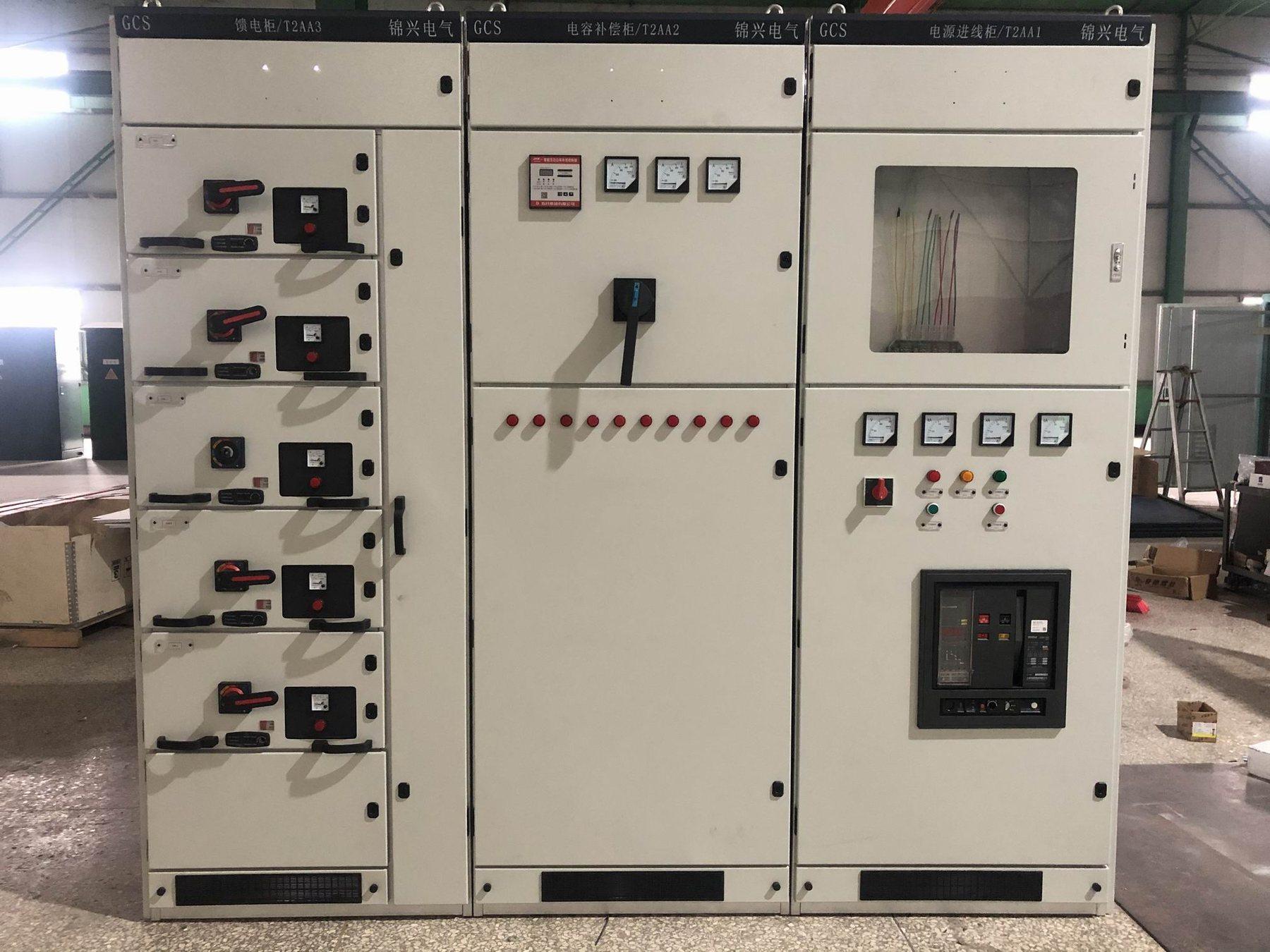
Begin with the operational outcome
The low-voltage switchgear range should be supported by an approved feeder schedule and single-line diagram. Identify the circuits for which the owner requires a fault to be isolated without unnecessarily disconnecting other loads. State whether the requirement applies across the full specified duty or within a defined range accepted by the engineer.
The purchaser should not promise complete selectivity from a device catalogue headline. The study needs the actual upstream and downstream devices, their settings and the relevant system conditions. Different source states, parallel arrangements or later device substitutions can change the assumptions being reviewed.
Keep four different declarations separate
| Declaration | Question it answers | Procurement evidence |
|---|---|---|
| Device breaking capability | Can the specified device interrupt the relevant duty under its stated conditions? | Actual device rating and applicable product data |
| Assembly withstand | Does the offered assembly meet its required fault-duty declaration? | Applicable assembly verification and design identity |
| Selectivity | Which device operates for the relevant fault cases? | Study and device-combination evidence at the stated settings |
| Backup or cascading | Is a supported upstream/downstream combination being relied on? | Applicable combination evidence, conditions and engineer acceptance |
| Source-state coverage | Do the conclusions apply under every permitted source arrangement? | Study cases and approved switching-state diagram |
| Settings and substitutions | Is the manufactured equipment the same as the assessed equipment? | Final device schedule, settings register and change control |
A quotation that satisfies one row does not automatically satisfy the others. Ask the supplier to state exclusions and missing inputs so the owner can compare the actual engineering and hardware deliverables.
Create a device-pair evidence schedule
For each relevant upstream/downstream relationship, record the device identities, poles where relevant, trip-unit variants, settings, operating voltage and study reference. Ask for the evidence that supports the proposed combination rather than a statement that the devices are from a compatible product family. Any limits or conditions in the evidence belong in the project review.
The MCCB feeder-protection guide supports the selection of individual outgoing devices. This article extends the review to the complete relationship between devices. The ACB main-incomer guide can provide the corresponding incoming-device context. Keep both equipment identities traceable in the approved schedule.
Include the permitted source states
A switchboard may operate on a normal source, a generator source or another approved arrangement. The protection engineer should identify the relevant fault conditions and confirm which study cases are required. The generator-transfer interface guide addresses the related switching and control boundary; it does not replace the protection-coordination assessment.
State whether a bus coupler can be closed and whether sources can operate together. Do not assume a study for a single incomer remains applicable to a changed source arrangement. The RFQ should identify the party responsible for collecting source information and issuing the accepted protection settings.
Example: a device substitution invalidates the comparison
An offer includes a coordination study for one incomer and feeder combination. During procurement, the feeder trip unit is replaced with a different variant. Even if its current rating looks equivalent, the pair and settings now differ from the assessed equipment. The supplier should identify the substitution and provide the required revised evidence or deviation for engineer approval before manufacturing release.
The same rule applies to a proposed backup arrangement. Procurement should not accept “cascading included” without the exact applicable combination, conditions and project approval. The commercial comparison should show any additional devices, study work or settings responsibilities needed to meet the stated requirement.
Turn the study into a handover record
At FAT, compare device nameplates, trip-unit identities and applicable settings with the approved schedule. Agree which functional checks will be demonstrated. A factory wiring or functional check is useful evidence of what was performed, but it should not be represented as a complete system selectivity test unless that is the specifically agreed procedure.
The LV switchgear testing guide supports the broader inspection plan. Retain the study, settings register, device-combination evidence, approved source states and as-built device schedule for the owner. The maintenance process should identify replacements or setting changes that need renewed coordination review.
RFQ checklist
- System voltage, fault information, feeder schedule and load priorities.
- Required selectivity outcome and any engineer-defined limits.
- Permitted utility, generator, parallel and bus-coupler operating states.
- Exact incomer and feeder devices, trip-unit variants and settings.
- Device-pair evidence and proposed backup or cascading dependencies.
- Assembly withstand evidence requested separately from device coordination.
- Study, settings and approval responsibilities with required input deadlines.
- Substitution control, FAT checks and site acceptance boundaries.
- Final study, settings register, device schedule and handover records.
Send the marked single-line diagram through the LV switchgear product page or contact Jinxing. Final coordination, settings and evidence require project-specific engineering approval.