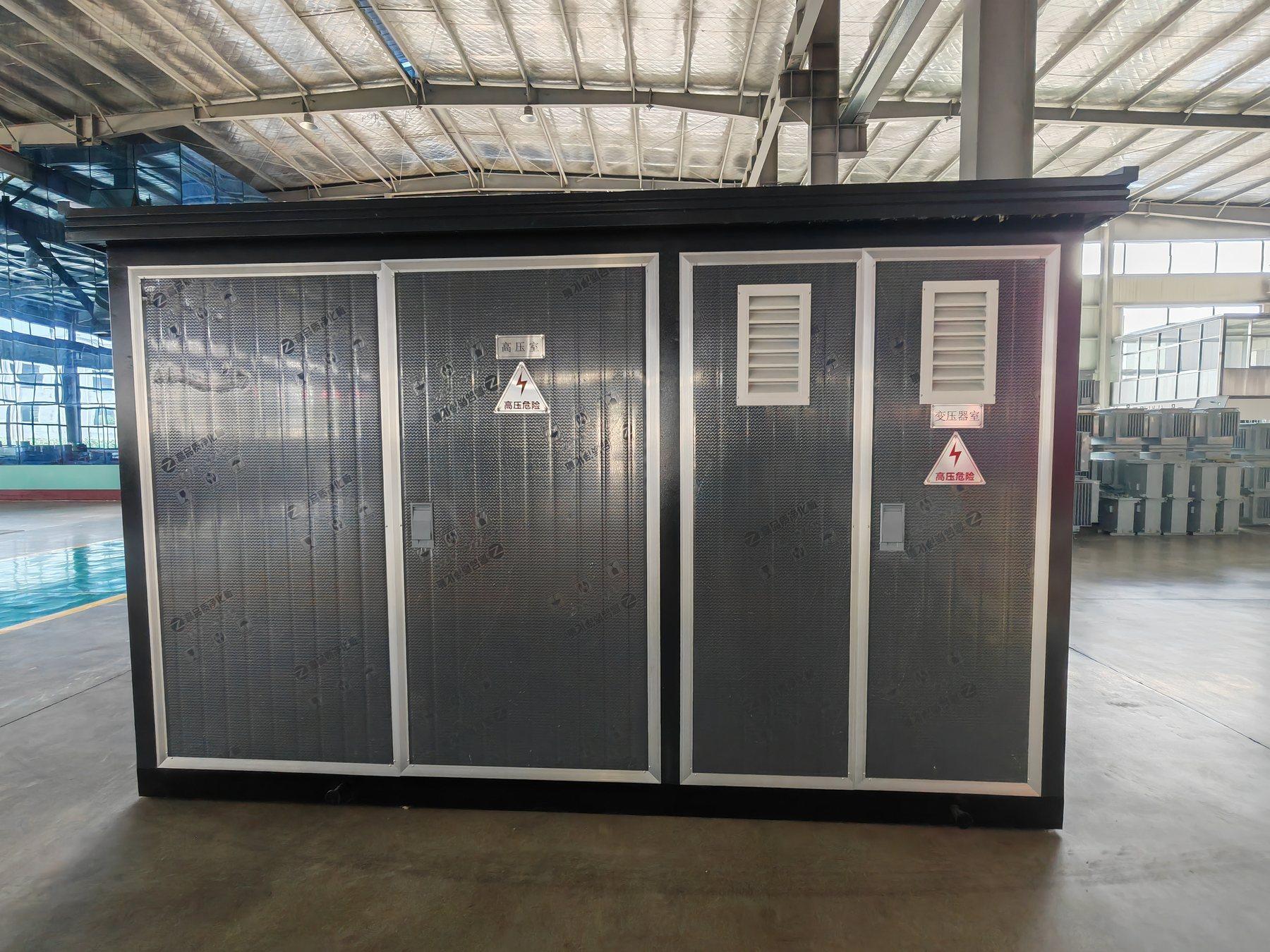
Start with ownership of each compartment
The compact substation range combines equipment that may have different owners or authorized maintainers. A utility may control one section while the site owner controls another. The project should identify those responsibilities on the single-line diagram and compartment plan before specifying the physical access hardware.
This is an access-scope exercise, not an instruction for operating or bypassing locks. The owner's authorized procedures determine who can access equipment and under what conditions. Procurement should obtain those requirements from the actual utility and owner rather than copying a locking arrangement from another project.
Build a compartment access schedule
| Compartment or interface | Project decision | Supplier response |
|---|---|---|
| Utility-controlled equipment | Who owns access and approves the hardware? | Offered door/lock arrangement and required owner inputs |
| Transformer compartment | Which authorized team needs access? | Physical hardware, inspection access and restrictions |
| LV compartment | Owner operation and maintenance access requirements | Door arrangement and included locking scope |
| Metering area | Sealing, access and approval responsibility | Proposed hardware and any separate metering boundary |
| Auxiliary compartments | Controls or services requiring separate access | Door/key schedule and identification |
| Perimeter interface | Fencing, gates and site access by other contractors | Package boundary and required clearances |
| Handover | Key custody, quantities and document ownership | Delivery schedule, labels and acceptance record |
Do not treat a single key count as a complete specification. Identify which doors are keyed together, which must be separate and whether the owner supplies particular hardware. Any security-sensitive key codes or detailed access credentials should be exchanged through the owner's controlled process, not placed in public drawings or marketing material.
Separate physical locks from electrical interlocks
The switchgear interlocking guide describes the separate task of defining equipment-state relationships. A door lock and a trapped-key or other electrical-operating interlock can have different purposes. The supplier should identify the actual offered system and its boundary rather than replacing an interlock requirement with a normal door lock.
The utility-metering interface guide helps establish ownership and approval responsibilities. Coordinate any sealing or controlled-access requirements with that schedule. A supplier's standard compartment does not imply that utility metering or access approval has already been obtained.
Confirm hardware interfaces before release
If a utility or owner provides a lock or cylinder, ask for the interface information the manufacturer needs: hardware type, relevant dimensions, fixing requirements, location and approval process. The supplier should confirm whether the proposed door construction accommodates it. Mark the decision as open until both the hardware and door arrangement have a documented response.
Record door identification, opening direction, hardware reference and any removable covers on the approved drawings. The door and equipment-removal guide deals with physical service and replacement space. Check that the selected hardware does not conflict with the required door movement or access route. These reviews complement each other without changing the owner's access authorization.
Example: utility hardware arrives after door manufacture
A purchaser orders a standard package and later supplies utility-specific locks. The utility hardware needs an interface that the approved doors do not include. Resolving the gap may require a revised door arrangement and a new approval cycle. The practical procurement control is to freeze the compartment ownership and hardware interface before manufacturing, or to price an explicitly identified later adaptation.
Use the equipment supply-boundary guide to allocate who supplies, installs and accepts each item. A note saying “locks by owner” should still identify what the package supplier must prepare and which information is required by the release milestone.
Inspect and hand over the actual arrangement
At factory review, compare the manufactured doors and identified hardware with the approved access schedule. Check the included key quantities and the documents required by the owner without publishing sensitive keying information. Any functional demonstration should follow the agreed procedure and the equipment instructions.
At handover, record custody of supplied keys, separately delivered owner hardware, unresolved access items and the final door/key schedule. Physical access control is only one part of the owner's operating arrangements; it does not replace isolation procedures, site security management or maintenance authorization.
RFQ checklist
- Equipment layout, compartment identities and ownership boundaries.
- Utility and owner access requirements and approval contacts by role.
- Standard lock scope and any owner-supplied hardware interfaces.
- Keying groups, separate access requirements and required quantities.
- Door opening, maintenance access and removable-cover requirements.
- Electrical or trapped-key interlocks specified as separate systems.
- Metering sealing, perimeter works and contractor responsibilities.
- Drawing approval milestone, hardware delivery and declared deviations.
- Factory inspection, controlled key handover and final documentation.
Send the compartment schedule through the substation product page or project enquiry page. Jinxing should confirm the actual door hardware and any project-specific adaptation before order.